Power of Personalization in the World of eCommerce
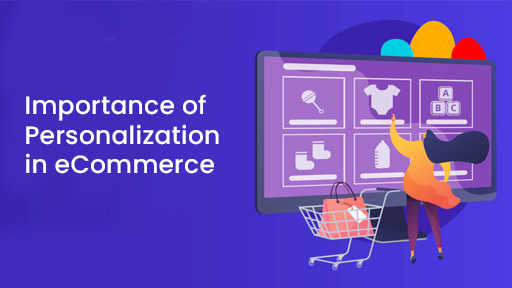
Personalization in the realm of e-commerce is all about curating an online shopping journey that caters to the unique preferences and behaviors of each individual customer. This intricate process revolves around harnessing valuable data, including browsing history, purchase records, and demographic insights, to craft a shopping experience that goes beyond the ordinary. It’s about delivering tailored product suggestions, connecting through personalized marketing messages, and providing a user interface that resonates with the individual shopper’s needs and desires. In this blog post, we’ll dive deeper into the transformative world of e-commerce personalization and explore its far-reaching implications.
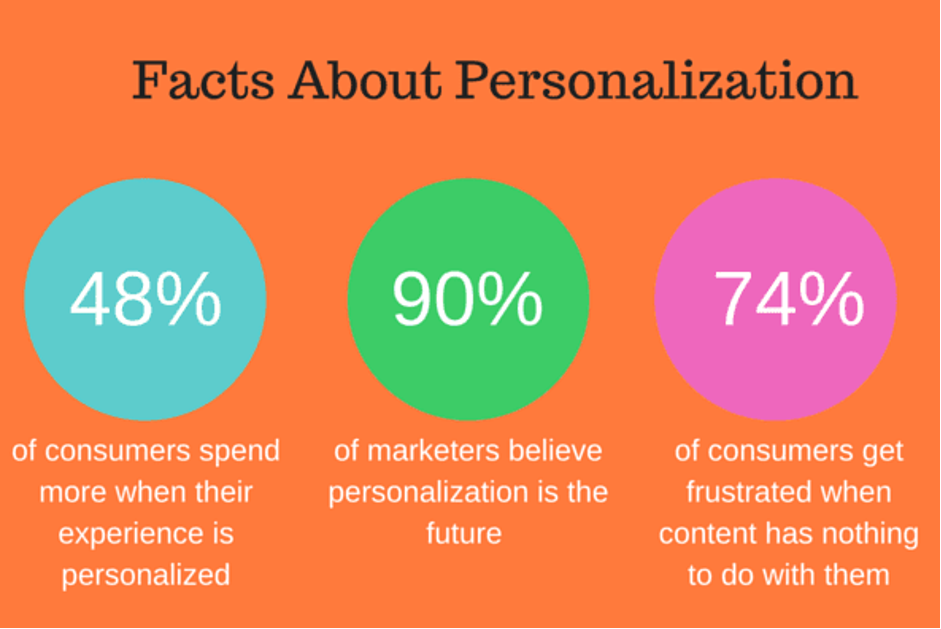
Exploring the Diversity of Personalization in E-commerce
Personalization manifests in various ways within the realm of e-commerce, encompassing:
- Product Recommendations: E-tailers leverage customer data, including browsing and purchase history, to suggest products aligned with individual preferences. These tailored suggestions can surface on product pages, in dedicated website sections, or via email and social media marketing.
- Tailored User Interfaces: E-commerce platforms can be finely tuned to echo a customer’s unique journey. This means showcasing favorite categories or products prominently on the homepage, among other personalized adjustments.
- Customized Marketing Messages: Email and social media campaigns adapt to mirror a customer’s interests and behaviors. They can feature precisely targeted promotions based on past purchase history.
- Personalized Pricing: Innovative e-commerce players are even delving into personalized pricing. This strategy tailors product prices based on a customer’s browsing and purchase history, in addition to factors like location and time of day.
In this ever-evolving e-commerce landscape, personalization emerges as a dynamic force, reshaping the shopping experience in myriad ways.
Personalization is gaining paramount significance in the realm of e-commerce, driven by several compelling factors:
- Enhanced Customer Experience: Personalization enhances the overall shopping experience by tailoring product recommendations, marketing communications, and user interfaces to align with individual interests and behaviors. As a result, it can foster heightened customer satisfaction, loyalty, and a higher likelihood of repeat purchases.
- Elevated Sales Performance: Personalization can significantly boost sales by offering pertinent product suggestions and promotions that are better aligned with customer preferences. Additionally, it plays a crucial role in curbing cart abandonment rates by delivering personalized reminders and enticing incentives to encourage purchase completion.
- Deepened Customer Understanding: Personalization relies on harnessing customer data, which in turn yields valuable insights into customer behavior and preferences. These invaluable insights can drive informed decisions across product development, marketing strategies, and various aspects of business operations.
- Enhanced Marketing Effectiveness: Personalized marketing messages carry a higher likelihood of success since they are finely tuned to match each customer’s unique interests and behaviors. This can translate into increased conversion rates and a more favorable return on investment for marketing initiatives.
- Competitive advantage: Investing in personalization sets e-commerce businesses apart from their competitors, as it enables them to provide customers with a shopping experience that is both captivating and tailored to their needs. This, in turn, proves instrumental in drawing and retaining customers within today’s fiercely competitive marketplace.
Key Personalization Tactics for E-commerce Enterprises: The Top 3 Strategies
- Behavior-based personalization delves into the examination of a customer’s browsing and purchasing patterns to deliver a shopping experience that is finely tuned to their preferences. It revolves around crafting various content types, precisely aimed at buyer personas shaped by the customer’s behaviors.
This approach involves the creation of diverse web content on your site, tailored to the specific buyer personas you are aiming to engage. These can encompass web content and often intertwine with rule-based personalization, wherein buyers are categorized based on specific actions taken on those pages, such as downloading an ebook.
- Within e-commerce, offer-based personalization revolves around the customization of product offers and promotions for each individual customer, based on their unique behaviors and preferences. This approach entails a thorough examination of customer data, including their browsing and purchase history, to pinpoint products and offers that hold the utmost relevance to each specific customer.
For instance, a customer who has recently shown interest in a particular product category may receive a discount offer related to that category. Similarly, a customer who has left items in their cart may receive a personalized email offering discounts or free shipping as an incentive to complete their purchase.
The power of offer-based personalization lies in its capacity to bolster sales and foster customer loyalty. By delivering offers and promotions that directly align with a customer’s interests, businesses can not only increase their revenue but also enhance customer engagement and satisfaction, thus enriching the overall shopping experience.
- Personalized web pages within the realm of e-commerce entail the creation of unique web experiences for each individual customer, rooted in their specific browsing and purchasing history. This advanced form of personalization dynamically adjusts website content, layout, and recommendations based on each user’s distinct behavior.
For instance, a customer with a penchant for running shoes might encounter a personalized web page showcasing the latest releases and bestsellers in that category. Conversely, a shopper who has previously explored women’s clothing might be greeted with tailored suggestions for complementary items like shoes, accessories, or handbags.
The integration of personalized web pages serves to enhance the overall customer experience by delivering content finely tuned to individual needs and preferences. This, in turn, can lead to heightened engagement, increased conversion rates, and bolstered customer loyalty. Moreover, it equips businesses with a deeper understanding of their customers’ behaviors and requirements, serving as a foundation for future marketing and product development strategies.
In summation, personalization in e-commerce is a potent tool for elevating the customer experience, driving sales, and gaining invaluable insights into customer behavior. By harnessing customer data to offer personalized product recommendations, tailor marketing messages, and fine-tune user interfaces, e-commerce enterprises can forge a competitive edge and cultivate enduring customer loyalty.

0 Comments